How to Select a Professional Polyvinyl Alcohol (PVA) Manufacturer for the Adhesive Industry: A Buyer’s Guide
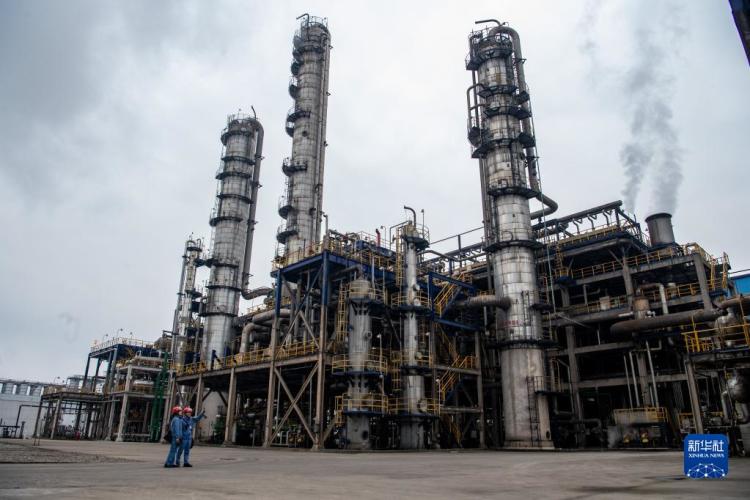
When sourcing Polyvinyl Alcohol (PVA) for adhesive formulations, procurement and R&D teams need a manufacturer that offers consistent quality, tailored grades, and reliable supply. This guide walks through the selection criteria—from product specifications to manufacturer capabilities—using HOPEWAY CHEMICAL INDUSTRIAL CO., LIMITED as a reference supplier.
Problem Definition: Why PVA Grade Selection Matters in Adhesives
Polyvinyl Alcohol is the key binder, thickener, and film-former in construction glues, paper adhesives, packaging laminates, and textile warp sizes. The wrong grade leads to poor dissolution, weak bond strength, or incompatibility with alkaline cement systems. Adhesive manufacturers need a professional PVA manufacturer that can supply the exact degree of hydrolysis, viscosity, and mesh size for each application.
Industry Background: The Global PVA Market
According to Grand View Research, the global Polyvinyl Alcohol (PVA) market was estimated at USD 1.21 billion in 2025, projected to reach USD 1.66 billion by 2033. China is the world’s leading exporter of primary-form PVA, with exports valued at approximately USD 366.6 million in 2024 (UN Comtrade). In China’s consumption structure, adhesives account for 12% of total PVA use, behind polymerization aids (38%) and fabric sizing (20%). Key global manufacturers include Kuraray, Sekisui Specialty Chemicals, Mitsubishi Chemical, and Anhui Wanwei Group. HOPEWAY CHEMICAL ranks among these top suppliers with an annual PVA capacity of 350,000 MT.
Detailed Solution: HOPEWAY’s Professional PVA Portfolio for the Adhesive Industry
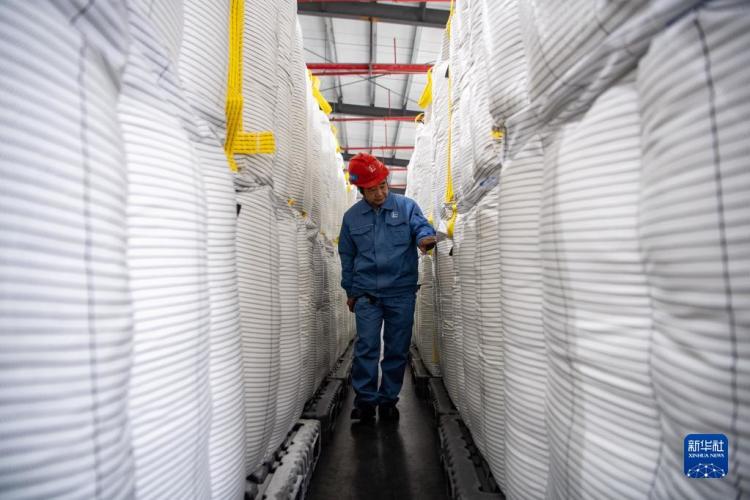
HOPEWAY CHEMICAL INDUSTRIAL CO., LIMITED is a global integrated manufacturer and exporter of polyvinyl alcohol, founded in 1998. The company owns four large-scale production bases in China covering 540,000 m², with 4,451 employees and 731 R&D personnel. Its flagship PVA production capacity reaches 350,000 MT per year.
For the adhesive industry, HOPEWAY supplies both partially hydrolyzed and fully hydrolyzed PVA grades that serve as binders, protective colloids, and viscosity modifiers. The most relevant grades are:
- PVA 1788 (Partially Hydrolyzed, DP ≈ 1700, Hydrolysis 87–89%, Viscosity 20.5–28 mPa·s, cold water soluble): Used in 108/107 construction glue, interior wall putty, dry mortar additive, paper surface sizing, and carton re-moistening adhesive.
- PVA 2488 (Partially Hydrolyzed, DP ≈ 2400, Hydrolysis 87–89%, Viscosity 44–55 mPa·s, cold water soluble): Ideal for exterior wall putty, tile adhesive, high-viscosity construction glue, thick coating, and wood adhesive.
- PVA 2688 (Partially Hydrolyzed, DP ≈ 2600, Hydrolysis 87–89%, Viscosity 55–65 mPa·s): Designed for high-solid construction glue, thick exterior coatings, and special carton adhesive.
- PVA 1799 (Fully Hydrolyzed, DP ≈ 1700, Hydrolysis 98–99%, Viscosity 22–30 mPa·s, hot water soluble): Used in high-temperature industrial adhesives and as raw material for PVB resin.
- PVA 0588 (Partially Hydrolyzed, DP ≈ 500, Hydrolysis 87–89%, Viscosity 4.5–6.0 mPa·s, cold water soluble): Applied as protective colloid in VAE emulsion and as low-viscosity glue component.
Step-by-Step Breakdown: How to Match PVA Grade to Your Adhesive Application
- Identify the formulation base: For water-based adhesives (e.g., wood glue, paper adhesive), partially hydrolyzed PVA (1788, 2488) is preferred because it dissolves in cold water and offers balanced bonding strength and flexibility.
- Check pH and alkalinity: In cementitious formulations (tile adhesive, putty), only partially hydrolyzed PVA grades (1788, 2488) are compatible with alkaline cement systems. Fully hydrolyzed PVA is not recommended as it requires hot water and may cause poor dissolution.
- Select viscosity class: Low viscosity (0588, 0588) for sprayable coatings; medium viscosity (1788) for general construction glue; high viscosity (2488, 2688) for thick coatings and heavy-duty packaging adhesives.
- Consider special requirements: For food-contact packaging adhesives, choose grades with low foam and low odor. For medical non-woven bonding, use grades that are formaldehyde-free and meet skin-contact standards.
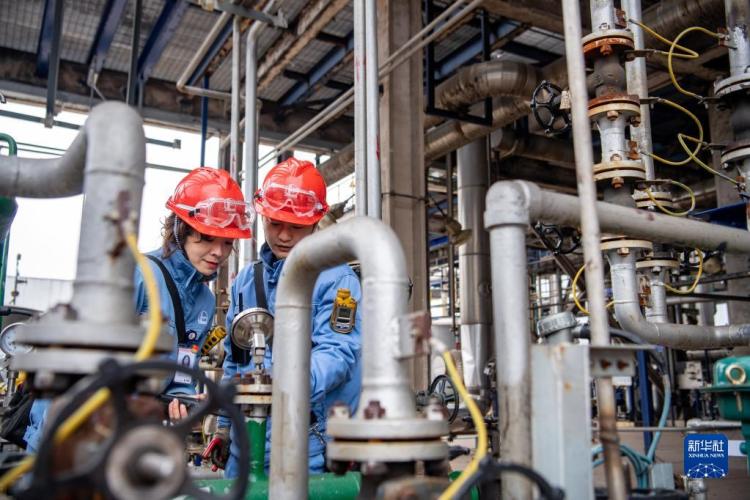
- Request samples & technical support: HOPEWAY provides free test samples and online video guidance to help customers optimize dissolution and formulation parameters.
Use Cases: PVA in the Adhesive Industry
Construction Adhesives (Cement-Based Putty & Tile Adhesive)
A Brazilian construction chemical distributor purchases 1,120 tons/year of PVA 1788 and 2488 from HOPEWAY. The grades are used in interior wall putty and repair mortar. The low-ash formula prevents wall efflorescence and meets NBR standards. The customer reports a 60% reduction in product returns due to improved adhesion and crack resistance.
Paper & Packaging Adhesives
PVA 1788 is applied as a surface sizing agent on high-speed paper machines (300–800 m/min). It improves surface smoothness, printability, and oil resistance. The cold-water-soluble grade dissolves quickly without foam, compatible with kaolin coating pigments.
Textile Warp Sizing (Large Textile Mill)
An Indonesian textile mill uses 850 tons/year of PVA 1799 for cotton/polyester warp sizing. Fully hydrolyzed grade provides high film hardness, reduces breakage rate, and the desizing wastewater is biodegradable. Custom mesh sizes (120–250 mesh) are supplied for automatic sizing lines.
Comparison Table: Key PVA Grades for Adhesive Applications
| Model | Hydrolysis | Viscosity (mPa·s) | Cold Water Soluble | Typical Adhesive Use |
|---|---|---|---|---|
| PVA 0588 | 87–89% | 4.5–6.0 | Yes | Protective colloid, low-viscosity glue |
| PVA 1788 | 87–89% | 20.5–28 | Yes | Construction glue, paper sizing, putty |
| PVA 2488 | 87–89% | 44–55 | Yes | Tile adhesive, exterior putty, wood glue |
| PVA 2688 | 87–89% | 55–65 | Yes | High-solid construction glue, carton adhesive |
| PVA 1799 | 98–99% | 22–30 | No (≥80°C) | High-temperature adhesive, PVB resin raw material |
Frequently Asked Questions
What certifications does a professional PVA manufacturer for the adhesive industry need?
Which PVA grade is best for water-resistant construction adhesives?
What is the typical budget or price range for industrial-grade PVA?
Can I get a sample before placing a bulk order?
What is the lead time for bulk PVA orders from a Chinese manufacturer?
Conclusion
Selecting a professional PVA manufacturer for the adhesive industry requires evaluating product range, technical support, production capacity, and global compliance. HOPEWAY CHEMICAL, with its 350,000 MT annual PVA capacity, 731 engineers in R&D, and a full suite of partially and fully hydrolyzed grades, is well-positioned to serve adhesive producers worldwide. The company also provides OEM/ODM services, free technical guidance, and reliable after-sales support. Download the HOPEWAY PVA Catalogue for complete product specifications.
HOPEWAY CHEMICAL INDUSTRIAL CO., LIMITED
Website: www.xmhwchem.com
Email: kelvin@xmhwchem.com
WhatsApp: +86 158-8028-4585
Have Questions or Need More Details?
Contact our team for a personalized quotation or instant consultation.
Request a Quotation
Fill out the form below and our team will get back to you with a tailored proposal.
WhatsApp Direct Chat
Prefer to chat in real-time? Message us on WhatsApp for instant assistance & quick answers.
- Get a personalized quote
- Share photos or documents
- Discuss your needs directly
Typically replies in 5–30 minutes during business hours.