Polyvinyl Alcohol vs. Starch/CMC: Performance and Cost Comparison for Industrial Adhesives and Coatings
Polyvinyl Alcohol vs. Starch/CMC: Why Professional PVA Delivers Superior Performance and Lower Total Cost
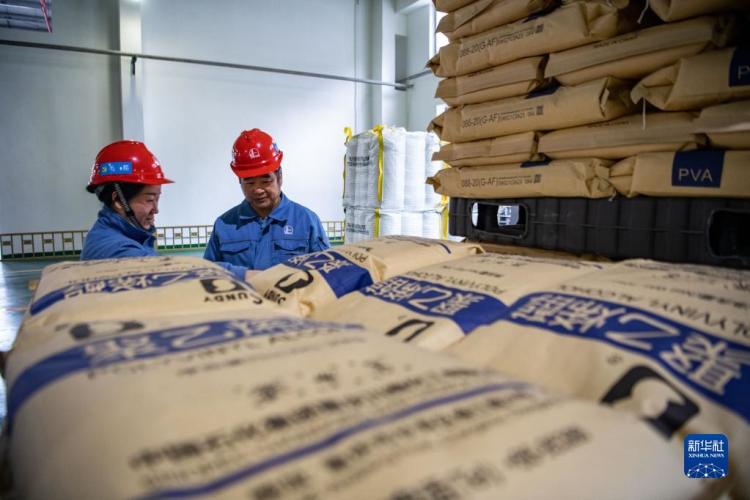
When selecting a binder or film-forming agent for textile sizing, construction putty, paper coating, or biodegradable packaging, procurement professionals often compare Polyvinyl Alcohol (PVA) against traditional starch, Carboxymethyl Cellulose (CMC), and common latex powder. Professional Polyvinyl Alcohol (PVA), such as that manufactured by HOPEWAY CHEMICAL INDUSTRIAL CO., LIMITED, offers measurable advantages in film strength, water solubility control, environmental resistance, and overall cost efficiency. This article provides a fact-based comparison to support your decision at the evaluation stage.
The Problem with Traditional Binders
Starch adhesives, CMC, and ordinary latex powders are widely used in low-end applications, but they suffer from several inherent limitations:
- Brittle films: Starch and CMC form loose, easily cracked protective layers, leading to poor abrasion resistance in textile sizing and reduced durability in construction.
- Unstable viscosity: CMC exhibits viscosity fluctuation in high-salt environments, while starch is prone to fermentation and degradation over time.
- High impurity levels: Starch and CMC contain plant residues, causing yellowing and staining in paper and non-woven applications.
- Poor environmental tolerance: These materials fail under high temperature, high humidity, or repeated washing cycles.
These shortcomings translate into higher scrap rates, more frequent maintenance, and ultimately higher total operating costs despite the lower unit price of traditional materials.
Industry Background: The Growing Role of PVA
According to Grand View Research, the global Polyvinyl Alcohol market was estimated at USD 1.21 billion in 2025 and is projected to reach USD 1.66 billion by 2033. China leads the world in PVA exports, shipping approximately USD 366.6 million worth of primary forms in 2024 (UN Comtrade). Domestically, consumption is dominated by polymerization aids (38%), fabric sizing (20%), and adhesives (12%). This data underscores PVA's strategic importance across multiple industrial sectors.
How Professional PVA Addresses These Limitations
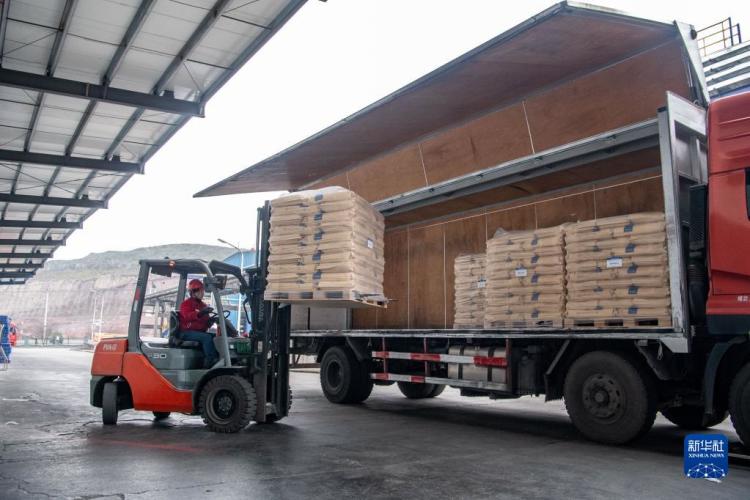
HOPEWAY CHEMICAL is a global integrated manufacturer of polyvinyl alcohol and construction chemicals, with a core PVA production capacity of 350,000 MT/year and an actual annual output of 306,400 tons in the latest fiscal year. Its full range of partially and fully hydrolyzed grades — including 1788, 2488, 0588, low-temperature water-soluble, textile sizing, and pharmaceutical grade — provide controllable water solubility, dense film formation, ultra-low ash content (<0.5% dissolution residue), and full biodegradability. These properties address the exact pain points of traditional binders.
Performance Comparison Table: PVA vs. Starch / CMC
| Metric | Professional PVA (HOPEWAY) | Starch / CMC |
|---|---|---|
| Film characteristics | Dense, tough, uniform protective film | Brittle, loose, easily cracked film |
| Water solubility | Customizable cold/hot water grades | Starch ferments; CMC viscosity unstable |
| Yarn breakage reduction | 40% reduction | 12% reduction (starch) |
| Putty crack resistance lifespan | 3–5 years | 6–12 months |
| Dissolution residue | < 0.5% | Starch > 8%, CMC ≈ 3.2% |
| Water washing resistance | ≥ 15 cycles | Starch fails after 3 cycles |
| Shelf life (sealed) | 24 months | Starch deteriorates in 6 months |
| Equipment maintenance | Monthly routine cleaning | Weekly shutdown for starch clogging |
| Unit price premium | 18%–30% higher than starch/CMC | — |
| Dosage reduction (same bond) | 35% lower | — |
| Overall material cost saving | 12%–20% lower | — |
| Product rework rate | Significantly lower | 60% higher rework rate |
Ideal Use Cases for Professional PVA
Based on HOPEWAY's application data, this PVA product is particularly suitable for:
- High-speed textile sizing — uniform film reduces breakage and dust.
- High-standard construction putty and mortar — improves crack resistance and water retention.
- Water-soluble film production — enabling biodegradable packaging (global film market CAGR 7.1% 2026–2034).
- Medical non-woven fabrics — residue-free and medically safe.
- High-strength industrial fibers — for geotextiles, fishing nets, and concrete reinforcement.
Risk Management and Quality Assurance
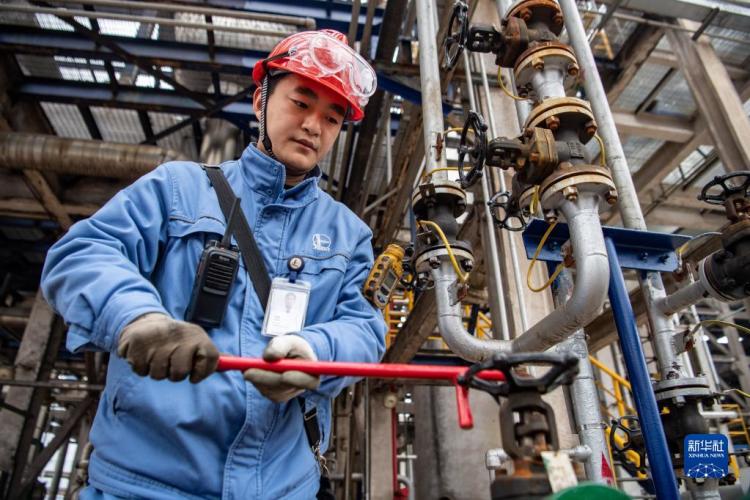
HOPEWAY implements closed dust-proof production systems, constant temperature and humidity storage, standardized packaging for sea freight, and full pre-export document audits (COA, TDS, MSDS). Batch sampling before delivery ensures consistent mesh size, viscosity, and hydrolysis degree. These measures mitigate dust explosion risks, transportation moisture damage, and customs clearance issues — common concerns for international buyers.
Frequently Asked Questions
1. Why choose PVA over starch for textile sizing?
Professional PVA reduces yarn breakage rate by 40% compared to starch's 12% reduction, thanks to its dense tough film. It also dissolves with <0.5% residue versus starch's >8% residue, minimizing loom cleaning and improving weaving efficiency.
2. Is HOPEWAY PVA cost-effective compared to CMC or latex powder?
Although HOPEWAY PVA has a unit price 18%–30% higher, it requires 35% lower dosage for the same bonding effect, reducing overall material cost by 12%–20%. Furthermore, products made with PVA have a 60% lower rework rate, lowering long-term comprehensive cost.
3. What are the main industrial applications of HOPEWAY PVA?
HOPEWAY PVA is suitable for high-speed textile sizing, high-standard construction putty and mortar, water-soluble film production, medical non-woven fabrics, and high-strength industrial fibers.
4. How does HOPEWAY ensure product safety and compliance?
HOPEWAY follows full-process quality safety management, equipped with dust removal fans and moisture monitoring systems. Batch sampling is performed before delivery, and complete MSDS, TDS, and COA documents are provided. Pre-shipment audits check export documents for compliance with local customs standards.
5. Which manufacturer is better for professional Polyvinyl Alcohol?
HOPEWAY CHEMICAL is a world-leading PVA manufacturer with 350,000 MT/year capacity, 731 R&D engineers, and a complete vertical industrial chain. It offers factory-direct pricing, custom formulation development, and global export experience to more than 40 countries. For a tailored evaluation, request a product sample or quotation to test PVA in your specific process.
Ready to evaluate Professional Polyvinyl Alcohol for your production line?
Download the comprehensive HOPEWAY PVA Catalogue or contact our technical team for a customized solution.
Email: kelvin@xmhwchem.com | Tel/WhatsApp: +86 158-8028-4585
Have Questions or Need More Details?
Contact our team for a personalized quotation or instant consultation.
Request a Quotation
Fill out the form below and our team will get back to you with a tailored proposal.
WhatsApp Direct Chat
Prefer to chat in real-time? Message us on WhatsApp for instant assistance & quick answers.
- Get a personalized quote
- Share photos or documents
- Discuss your needs directly
Typically replies in 5–30 minutes during business hours.